
Understanding the Internet of Things: Connecting Devices for a Smarter Home
July 6, 2023

Mario Juretić
The Internet of Things (IoT) has emerged as a transformative technology, revolutionizing the way we interact with our homes.
Introduction
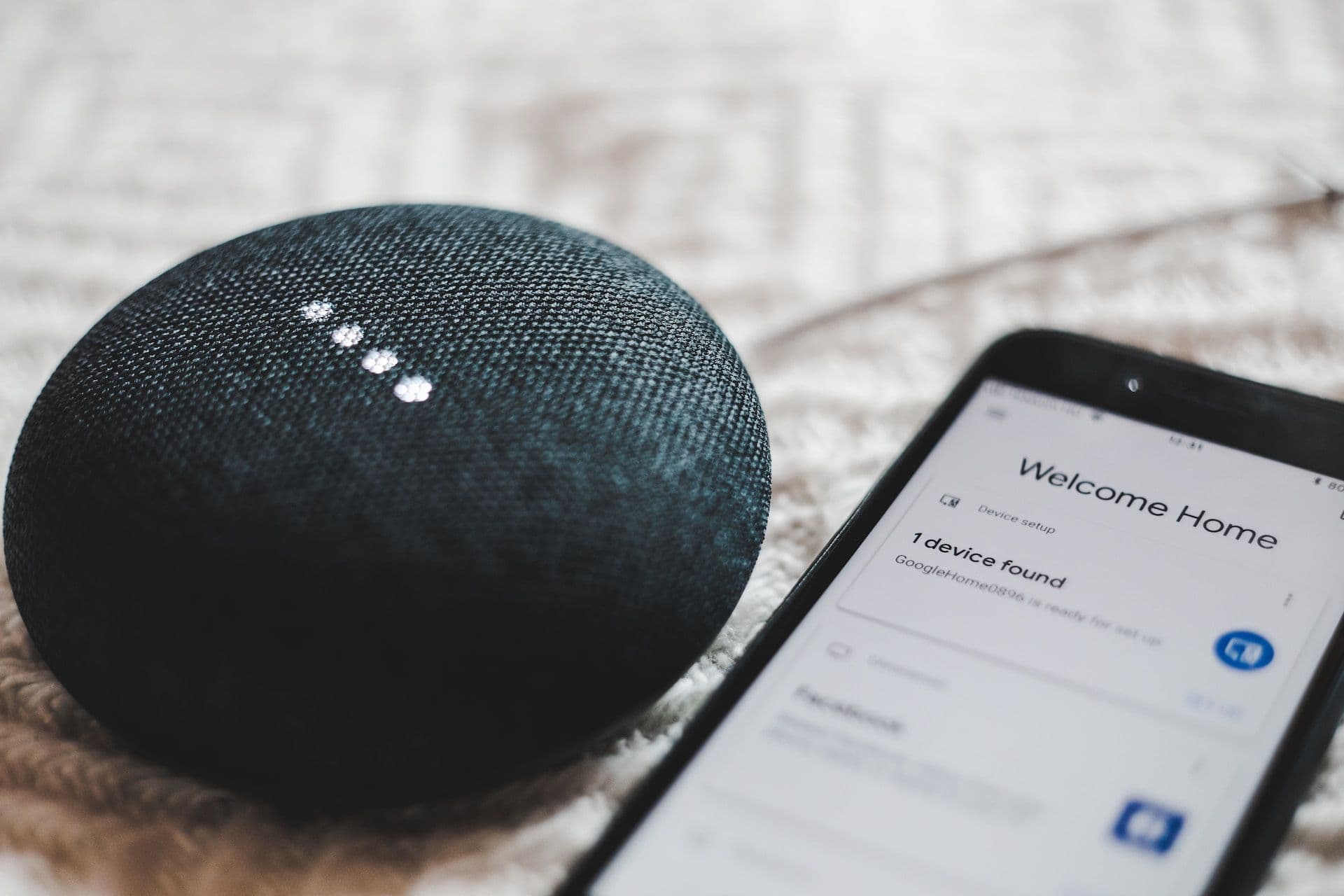
The Internet of Things (IoT) has emerged as a transformative technology, revolutionizing the way we interact with our homes. By connecting everyday devices and appliances to the internet, IoT enables seamless communication and automation, creating a smarter and more convenient living environment. In this article, we will delve into the concept of the Internet of Things and explore how it connects devices to make our homes more intelligent, efficient, and interconnected.
What is the Internet of Things (IoT)?
The Internet of Things refers to a network of physical devices embedded with sensors, software, and connectivity capabilities that enable them to collect and exchange data. These devices, ranging from smart thermostats and door locks to lighting systems and kitchen appliances, can communicate with each other and with us through the internet. By connecting these devices, the IoT ecosystem transforms a traditional home into a smart home, where automation, control, and data-driven insights enhance our daily lives.
Connectivity and Communication
At the core of the IoT is connectivity. Devices within the IoT ecosystem communicate through various wireless technologies such as Wi-Fi, Bluetooth, Zigbee, or cellular networks. This connectivity allows devices to exchange data, receive commands, and provide real-time feedback. For example, a smart thermostat can receive temperature data from sensors placed throughout the home, adjust settings accordingly, and send energy consumption information to the homeowner's smartphone.
Automation and Smart Control
One of the key benefits of the IoT is automation. Connected devices can be programmed to perform tasks automatically based on predefined conditions or user preferences. For instance, a smart lighting system can be set to turn on when someone enters a room and turn off when no motion is detected. Similarly, a smart irrigation system can adjust watering schedules based on weather conditions or soil moisture levels, optimizing water usage and plant health. Automation simplifies daily routines, enhances energy efficiency, and improves overall comfort.
Data Insights and Personalization
IoT devices generate vast amounts of data, offering valuable insights that can be used to personalize experiences and improve efficiency. For example, a smart fitness tracker can collect data on physical activity, sleep patterns, and heart rate, providing personalized health recommendations and enabling users to track their progress. Similarly, smart appliances can learn user preferences and adjust settings accordingly, optimizing energy consumption and tailoring experiences to individual needs. Data-driven insights empower homeowners to make informed decisions, conserve resources, and enhance their quality of life.
Enhanced Security and Safety
While the IoT offers numerous benefits, security and privacy considerations are crucial. Connected devices in a smart home must be protected from potential cyber threats. It is essential to follow best practices such as changing default passwords, keeping firmware up to date, and using secure network connections. Additionally, encryption and authentication mechanisms can be implemented to safeguard data and ensure secure communication between devices. By taking proactive measures, homeowners can enjoy the benefits of a connected home while maintaining privacy and security.
Conclusion
The Internet of Things has paved the way for a revolution in home automation and connectivity. By interconnecting devices and enabling communication and automation, the IoT transforms our homes into intelligent environments that enhance convenience, energy efficiency, and personalization. As the IoT ecosystem continues to evolve, we can expect even greater integration and innovation, with devices seamlessly working together to create truly smart homes. However, as we embrace the potential of the IoT, it is crucial to prioritize security and privacy to ensure a safe and reliable connected living experience. By understanding the Internet of Things and leveraging its capabilities, we can unlock a new era of connectivity and redefine the way we interact with our homes.